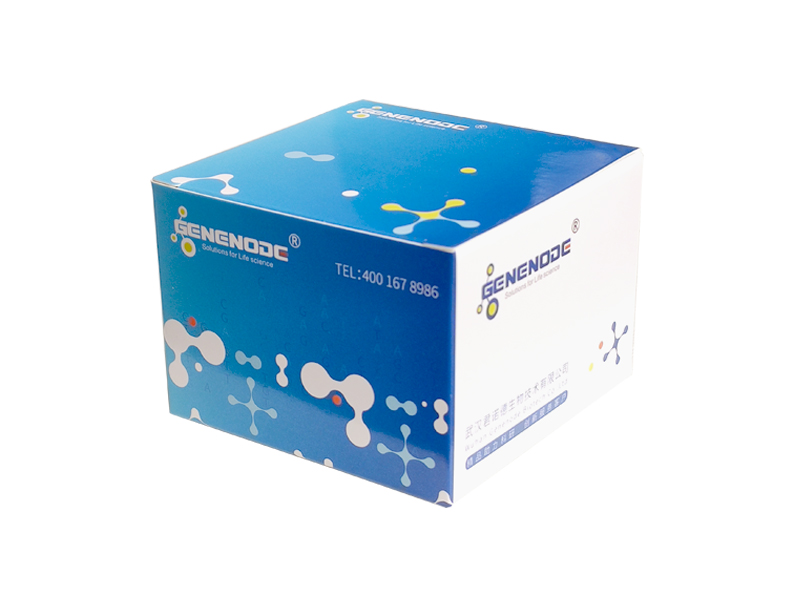
UltraPure Total RNA Extraction Kit(SpinColumn,Chloroform-Free)
Number:RP2102
Specifications:50T/100T/2*100T
Price:870/1650/3100
Package:box
Storage:Room temperature
- Description
- Related
- Technical
- Download
- Consulting/Order
Product Introduction:
The UltraPure Total RNA Extraction Kit is suitable for the extraction of total RNA from various animal and plant tissues as well as cells. Lysis Buffer RL can efficiently lyse tissue cells and inactivate RNases. Combined with a specific adsorption column, the kit enables the extraction of high-purity and high-quality total RNA free from contaminants such as proteins, genomic DNA, and cellular metabolites.
The extracted total RNA has good integrity, no protein or DNA contamination, and can be used in various routine molecular biology experiments, including RT-PCR, Real-Time PCR, Northern blot, Dot blot, poly (A) selection, in vitro translation, and cDNA library construction.
Application Scope:
This reagent has a wide range of applications and can extract total RNA from samples such as animal tissues, plant materials, various microorganisms, and cultured cells.
Product Features:
1.The silica matrix membrane inside the spin adsorption column is made of high-quality specially modified adsorption membrane, ensuring minimal variation in adsorption capacity between columns.
2.Combines the advantages of the guanidine isothiocyanate/phenol one-step method (excellent reagent stability and high purity) and the convenience of spin columns. Eliminates the need for isopropanol precipitation and ethanol washing steps; RNA is directly eluted from the spin column, avoiding the problem of difficult dissolution due to over-drying.
3.The unique formulation of Lysis Buffer RL can effectively eliminate genomic DNA contamination.
4.Multiple column washing steps remove contaminating proteins and cellular metabolites, ensuring high purity of the extracted RNA.
Effectively reduces the content of 5S rRNA in total RNA, further improving purity.
Operation Steps:
Pre-Experiment Preparation
1.Use sterile RNase-free centrifuge tubes, pipette tips, and other disposable plastic consumables as much as possible. If glassware or non-disposable tools are used, they should be pre-treated with DEPC or decontaminated with RNase-removing products in advance.
(1) Treat the equipment and tools with 0.1% DEPC (diethyl pyrocarbonate) aqueous solution in the dark for 12 hours.
(2) Then autoclave at 121°C for 30 minutes to remove residual DEPC.
2.Wear a lab coat, disposable latex gloves, and a disposable mask when preparing reagents and performing experiments to avoid artificial RNase contamination.
Sample Pretreatment
1.Tissue Homogenization
a.Plant Tissues: Grind fresh plant tissues thoroughly in liquid nitrogen, or cut the plant tissues into small pieces and grind quickly directly in Lysis Buffer RL. Add 1 mL of Lysis Buffer RL per 50-100 mg of tissue and mix well. Note: The sample volume should generally not exceed 10% of the volume of Lysis Buffer RL.
b.Animal Tissues: Cut fresh or -70°C frozen animal tissues into small pieces as much as possible. Add 1 mL of Lysis Buffer RL per 30-100 mg of tissue and homogenize with a homogenizer. Alternatively, grind in liquid nitrogen and then add 1 mL of Lysis Buffer RL and mix well. Note: The sample volume should generally not exceed 10% of the volume of Lysis Buffer RL.
c.Monolayer Cultured Cells (Adherent Cells):Remove residual culture medium as much as possible, then directly add 1 mL of Lysis Buffer RL to a 3.5 cm diameter culture dish to cover the cells and pipette repeatedly to lyse the cells. The amount of Lysis Buffer RL required is determined by the area of the culture dish rather than the number of cells (1 mL per 10 cm²). Insufficient Lysis Buffer RL may lead to DNA contamination in the extracted RNA.
Note: Adherent cultured cells often cannot be completely detached from the culture flask (dish), which does not mean incomplete lysis. At this time, the cell membrane has actually been completely disrupted and RNA has been released; proceed with the next steps.
d.Suspension Cells:Collect cells by centrifugation. Lyse the cells by pipetting repeatedly in Lysis Buffer RL. Add 1 mL of Lysis Buffer RL per 5~10×10⁶ animal cells, plant or yeast cells, or per 1×10⁷ bacterial cells. Avoid washing the cells before adding Lysis Buffer RL, as this will increase the possibility of mRNA degradation. Disrupting some yeast and bacterial cells may require the use of a homogenizer.
e.For bacterial RNA extraction, the Bacterial RNA Extraction Kit (Spin Column) (Cat. No. R2120) is recommended;
For blood RNA extraction, the TRI Whole Blood (Liquid Sample) Total RNA Extraction Kit (Cat. No. R2108) is recommended.
Extraction Steps
2.Vortex the homogenized sample vigorously and incubate at room temperature for 5 minutes to fully dissociate ribosomes.
3.Optional step: Centrifuge at 12,000 rpm for 10 minutes at 4°C and collect the supernatant. If the sample contains a large amount of protein, fat, polysaccharides, or tissues such as muscle and plant tubers/nodules, centrifugation can be performed to remove impurities. The pellet after centrifugation contains cell outer membranes, polysaccharides, and high-molecular-weight DNA, while the supernatant contains RNA. For fat tissue samples, the upper layer is a large amount of oil, which should be removed; take the clear homogenate for the next step.
4.Add 100 μL of Chloroform Substitute Buffer EX per 1 mL of Lysis Buffer RL (replacing 200 μL of chloroform for extraction). Tighten the tube cap, vortex vigorously for 15 seconds, and incubate at room temperature for 3 minutes.
5.Centrifuge at 12,000 rpm for 10-15 minutes at 4°C using a high-speed refrigerated centrifuge. After centrifugation, the mixture separates into three layers: the lower red organic phase, the interphase, and the upper colorless aqueous phase. RNA is present in the upper aqueous phase. The volume of the aqueous phase is approximately 50-60% of the volume of Lysis Buffer RL added.
6.Carefully aspirate 600 μL of the aqueous phase and transfer it to a new RNase-free centrifuge tube (do not touch the interphase). Record the volume of the aqueous phase, add 300 μL of anhydrous ethanol (0.5 times the volume of the aqueous phase), and mix immediately by pipetting.
7.Transfer the mixed solution (≤700 μL per load; can be added in two batches) into the Adsorption Column SpinRA. Centrifuge at 12,000 rpm for 45 seconds, discard the waste liquid, and reattach the adsorption column to the collection tube.
8.Add 500 μL of Deproteinization Buffer RE, centrifuge at 12,000 rpm for 45 seconds at room temperature, and discard the waste liquid.
9.Add 500 μL of Wash Buffer RW (please check if anhydrous ethanol has been added first), centrifuge at 12,000 rpm for 45 seconds, and discard the waste liquid.
10.Repeat Step 9 once.
11.Place the Adsorption Column SpinRA back into the empty collection tube and centrifuge at 13,000 rpm for 2 minutes at room temperature to remove residual wash buffer as much as possible, as residual ethanol in the wash buffer may inhibit downstream reactions.
12.Remove the Adsorption Column SpinRA (avoid touching the waste liquid in the collection tube with the bottom of the adsorption column) and place it into a new RNase-free centrifuge tube. According to the expected RNA yield, add 50~80 μL of RNase-free H₂O to the center of the adsorption membrane. Incubate at room temperature for 2 minutes, then centrifuge at 12,000 rpm for 1 minute. After collecting the RNA, store the RNA solution at -80°C to prevent degradation.
Note: A larger elution volume results in higher elution efficiency. If a higher RNA concentration is required, the elution volume can be appropriately reduced, but the minimum volume should not be less than 30 μL. Excessively small volumes will reduce RNA elution efficiency and yield.
Instructions for Filling out the Form:
1. During working hours, we will reply by email or phone within one hour! During non-working hours, we will reply by email within 8 to 16 hours!
2. When placing an order for the product, you also need to fill in your company's invoicing information and the contact details for receiving the goods. We will reply with the latest discounted price and delivery time via email. After both parties reach an agreement through consultation, a product sales contract will be signed. The payment will be made to the company as agreed, and the invoice will be issued and the goods will be dispatched.